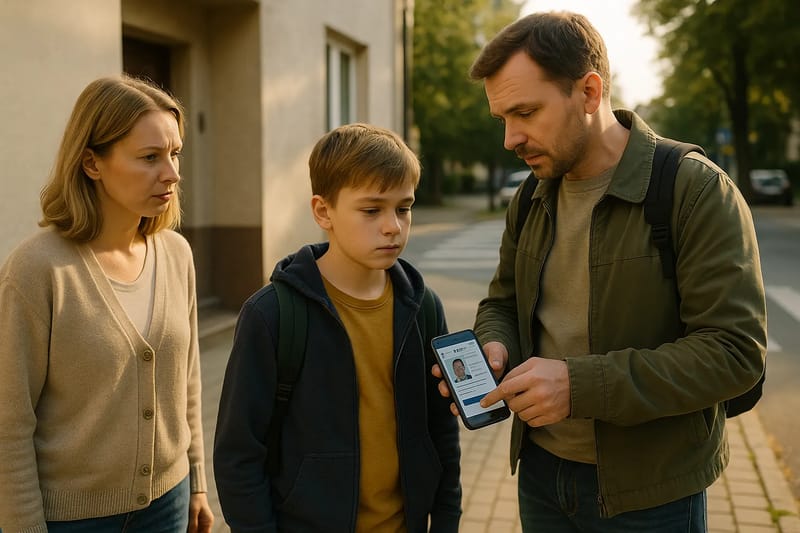
In the digital era, solutions that enable the protection of personal data are gaining increasing popularity. In Poland, a testing environment related to age verification in the mObywatel app has just been launched, attracting interest from both users and digital security experts.
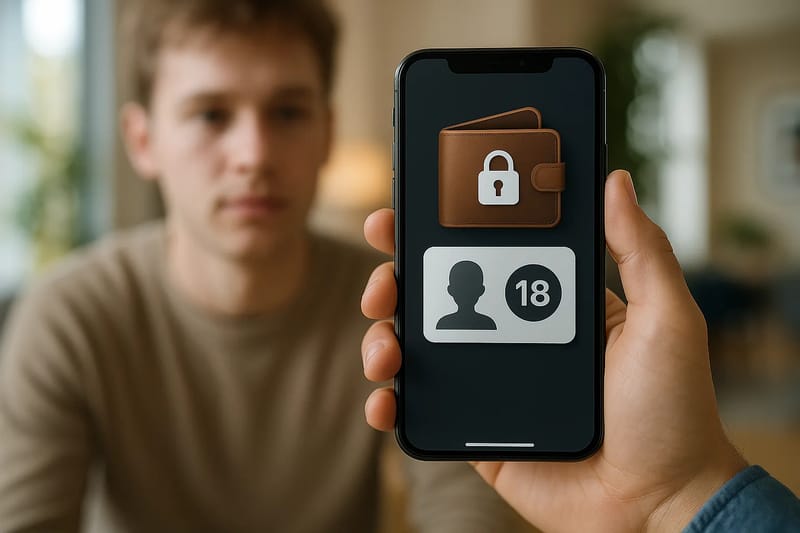
As Poland's Ministry of Digital Affairs announced, on 16 September 2026 a test environment was launched for the digital identity wallet, which in Poland is being built as part of the mObywatel ecosystem. For now it is being tested by organisations and companies that confirm customers' identity or verify their data in their services. Eventually users will be able to confirm their age without disclosing unnecessary data: as a lawyer quoted by Prawo.pl explains, the rules on selective disclosure allow showing only a credential such as "18 or over", without first name, surname or PESEL number.
It is worth highlighting that using the wallet is voluntary, and a person who does not use it must not be discriminated against in access to services (Article 5a(15) of the eIDAS 2.0 regulation: "The use of European Digital Identity Wallets shall be voluntary"). Under that regulation, member states must make a wallet available to citizens by December 2026, and the European Commission is urging EU countries to accelerate the rollout of the EU age verification app so that it is available to citizens by the end of 2026. Today we are in the testing phase – the technology is not yet available to everyone.

One of the main aims of the initiative is to better protect children online (more on protecting a child's data in our article on children's privacy online), although age verification itself will not replace the responsibility of adults to supervise technology use by younger users. It is important for parents and guardians to set joint rules for the use of digital devices and services, as well as to regularly check security settings on their children's devices.
MichalKids offers features that can support parents in this role. The app's services include seeing the child's location, setting safety zones, and an SOS feature that enables quick contact in emergency situations. However, it should be noted that MichalKids does not filter content or check age on online services — the app supports supervision without infringing a child's privacy. "A guardian, not a spy" is the principle we follow in its development.
Despite the potential benefits of age verification, it remains crucial that guardians actively participate in their children's digital education. Technologies can support this process, but they will not replace direct adult involvement.
The availability of age verification technology on a mass scale by the end of 2026 remains the goal, but until then, parents should rely on common sense and responsibility in managing their children's digital activities.
Sources
- Ministry of Digital Affairs, "Poland has launched the European Digital Identity Wallet Sandbox", 16 September 2026 (in Polish) – test environment for companies and institutions
- Regulation (EU) 2024/1183 (eIDAS 2.0), Article 5a(15) – use of the wallet is voluntary
- European Commission, "Commission urges fast rollout of age verification app", 29 April 2026 – app available by the end of 2026
- Prawo.pl, "Age verification via digital wallet. Tests have started", 16 September 2026 (in Polish) – "18 or over" credential without name or national ID number (lawyer's comment), December 2026 deadline