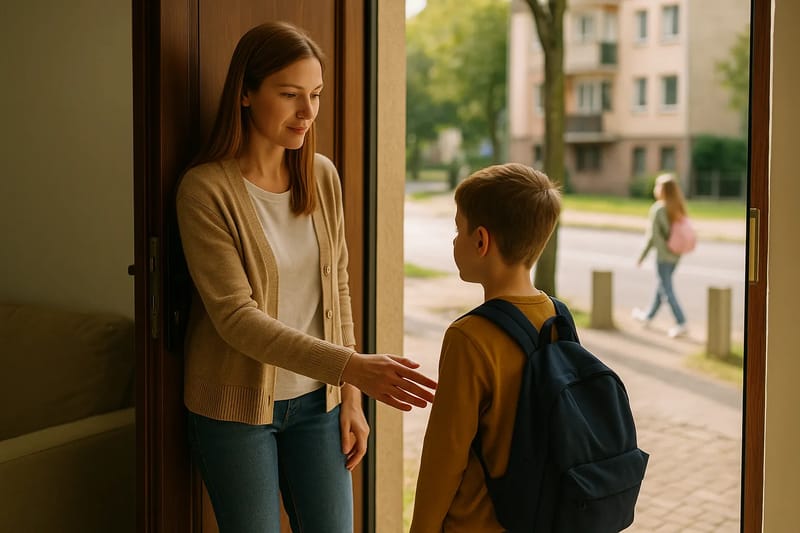
The decision to leave a child alone at home is a difficult step for many parents. A well-prepared child and clear rules can, however, ease concerns and make it a safe experience. In this article, we will discuss how to prepare your child for being alone at home and what rules are worth establishing.
Assessing the Child's Readiness
First and foremost, it is important to assess whether your child is ready to be home alone. Age is only one of the factors. It is essential to also consider emotional maturity, problem-solving skills, and how they cope in difficult situations. Some children aged 10-12 have these skills, but it is not the rule. Polish law does not set an age from which a child may stay home alone. However, allowing a child under 7 to be in circumstances dangerous to health is a petty offence (Article 106 of the Code of Petty Offences), and exposing a person in one's care to direct danger of loss of life or serious harm to health is a crime (Article 160 §2 of the Criminal Code).
Preparing the Child
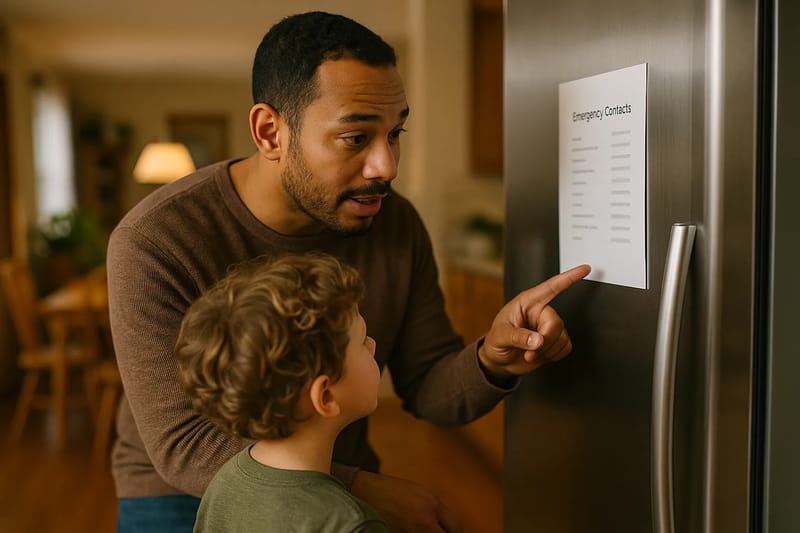
Before leaving the child alone, it is good to practice different scenarios. It is beneficial to rehearse how to respond when someone knocks on the door, the phone rings, or there is a need to contact a parent. The child should know the emergency number 112 and when to use it (more in our article on the 112 number), and how to behave in urgent health situations.
Establishing Rules
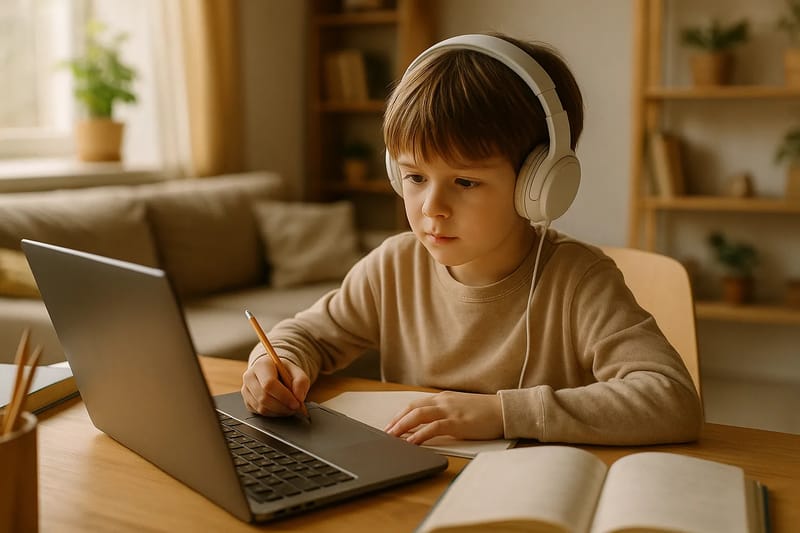
It is crucial to set clear rules about what the child can do during the parent's absence. This includes using electronic devices, preparing meals, or inviting peers over. It is also good to designate at least one person to whom the child can turn if needed. This person should live nearby and be trusted by the family.
Communication
Agree with your child on regular contact via phone or internet messenger. This will allow you to monitor the situation and react if necessary. It is important for your child to know that they can always ask for help and that asking about something that worries them is not a sign of lack of independence. Also agree on what to do if the parent doesn't answer – e.g. call the trusted person nearby (see your child isn't answering the phone).
Place of Hazards
The home is an extremely important place for every child. Therefore, let's ensure it is safe for them. Remove any hazards such as sharp tools, chemicals, or appliances that could pose a risk. It is the parent's duty to secure the environment from potential dangers.
The decision to leave a child alone at home should be made thoughtfully, considering the child's maturity and the surrounding conditions. Good preparation and clear rules can make it a valuable experience for the child, teaching responsibility and independence.
If you have doubts about your child's readiness or need support in a difficult situation, consult with an educator or psychologist, or in Poland call the free helpline for adults on child safety, 800 100 100.
Sources
- Code of Petty Offences, consolidated text (Journal of Laws 2026, item 1372) (in Polish) – Art. 106: allowing a child under 7 to be in circumstances dangerous to health
- Criminal Code, consolidated text (Journal of Laws 2026, item 1342) (in Polish) – Art. 160 §2: exposing a person in one's care to danger
- Emergency number 112 – gov.pl (in Polish)
- Helplines – Fundacja Dajemy Dzieciom Siłę (in Polish) – 800 100 100